

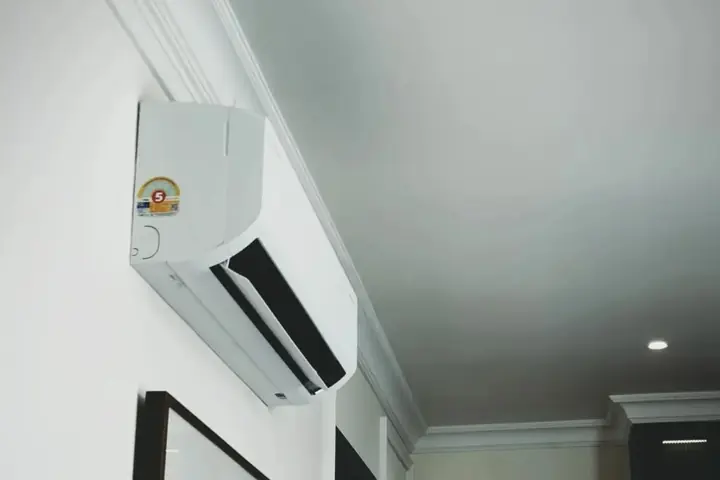
How the two systems work
A traditional non-inverter air conditioner usually switches its compressor between on and off as cooling demand changes. An inverter system can vary compressor speed, allowing it to adapt more gradually to the cooling requirement.
Comfort and energy use
Variable-speed operation can help maintain a steadier room temperature and may improve efficiency under appropriate conditions. Actual electricity consumption still depends on the unit's rated efficiency, BTU sizing, outdoor temperature, maintenance, thermostat setting and how long it runs.
Being an inverter model alone does not guarantee the lowest bill for every home.
Upfront cost and repair considerations
Inverter units can cost more to purchase, and replacement electronics may differ from those in conventional systems. Check the manufacturer's warranty, authorised service network and the availability of parts in your area before buying.
How to choose
- Estimate room cooling requirements before choosing BTU.
- Compare official energy-efficiency labels and test conditions.
- Consider daily operating hours and preferred temperature stability.
- Check purchase, installation, maintenance and potential repair costs together.
For installation questions, review Air Varee installation services.
This article provides general information and cannot replace a site inspection. Electrical and refrigerant work should be undertaken by appropriately qualified personnel.